Education System in Turkey for Foreigners

By Burak Ünal, Founder & Managing Partner, Gordion Partners
· · 2 min read
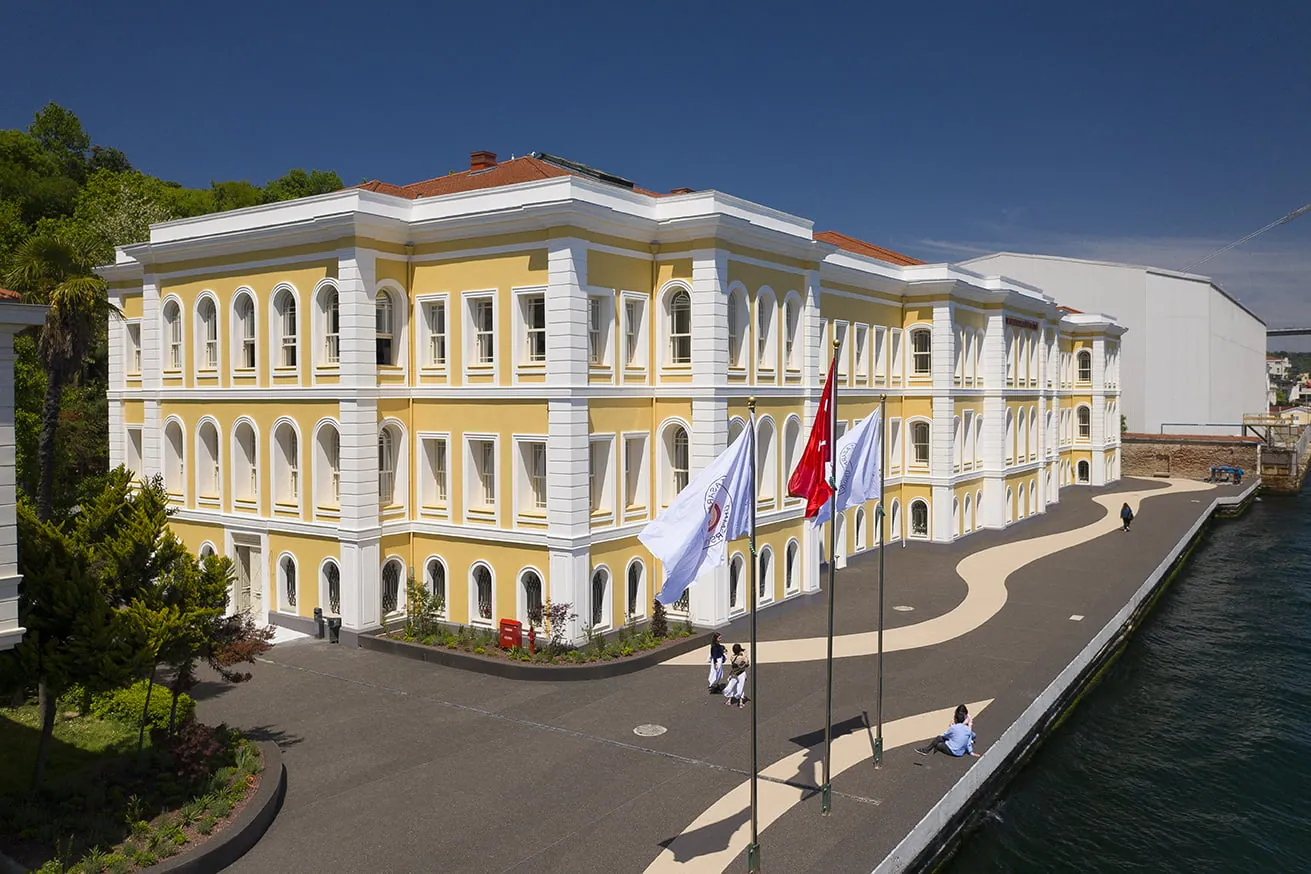
The education system in Turkey is divided into three levels: primary, high school and higher education. Since Law No. 6287 of 2012, education in Turkey has been compulsory for 12 years, in three four-year stages (often called 4+4+4): primary school, middle school and high school. The first eight years (primary and middle school) cover children aged about 6 to 14, are offered without tuition fees in state schools and are split into two four-year cycles. The first cycle focuses on basic skills such as reading, writing and math, while the second cycle includes more advanced concepts in these subjects as well as social studies, science and foreign languages. Following primary and middle school, students move on to high school, a four-year stage that is also part of compulsory education.
In middle school, students continue to study core subjects such as math, science, Turkish and social studies, as well as elective subjects such as art, music and physical education. High school education is divided into two tracks: academic and vocational. The academic track prepares students for university entrance exams, while the vocational track provides practical skills and job-specific training. Higher education in Turkey is offered by universities which offer a wide range of undergraduate and graduate programs in fields such as arts, sciences, engineering, medicine and business. Admissions to universities are competitive and based on the results of university entrance exams, which are administered by the Student Selection and Placement Center (ÖSYM).
Students can apply to multiple universities and programs and are placed based on their exam scores and the availability of spots at the chosen institutions. In addition to traditional universities, Turkey also has foundation universities which are privately funded institutions that offer undergraduate and graduate programs. These universities are generally smaller than public universities and have more selective admissions processes. The education system in Turkey places a strong emphasis on academic achievement and preparing students for higher education and successful careers. The curriculum covers a wide range of subjects and skills and students are expected to perform well on exams to progress to the next level of education.
Related services
The information on this page is general and is not legal, tax or investment advice. Rules, amounts and procedures change; contact us to confirm the current requirements before you act.